
Energy-Boosting Foods for Active Women
Discover how everyday foods can transform your energy levels, support your lifestyle, and help you feel your best throughout the day. Our editorial platform brings together expert nutrition insights and practical guidance designed specifically for women's unique nutritional needs.
The information on this site is for educational purposes only and does not constitute medical advice. Always consult a qualified healthcare professional before making health decisions.
Why Women's Energy Matters
Energy demands are constant for women balancing work, family, and personal wellness goals.
Women report energy dips affecting their daily productivity and wellbeing.
Smart food choices provide sustained energy through nutrients, not temporary sugar rushes.
Whole foods deliver vitamins, minerals, and macronutrients that fuel your entire day.

Sustained Energy Through Real Food
Energy isn't about quick fixes or extreme diets. It's about understanding how different foods work together to support your body's natural rhythms and demands. Women's nutritional needs differ from men's, with unique considerations around iron absorption, hormone support, and overall vitality.
At Nutrition for Maturity, we focus on everyday foods that deliver real results. From leafy greens and legumes to whole grains and lean proteins, we explore how simple choices can dramatically improve how you feel.
- Balanced meals that prevent afternoon energy crashes
- Nutrient-dense foods addressing women's specific requirements
- Practical insights on meal timing, combinations, and preparation
- Evidence-based recommendations from our editorial team
Top Energy-Boosting Foods for Women
Leafy Greens
Spinach, kale, and collards deliver iron, folate, and magnesium—essential minerals that fight fatigue and support oxygen transport throughout your body.
Best used: Raw in salads, sautéed as side dishes, or blended into smoothies for maximum nutrient retention.
Eggs
Complete protein with choline and B vitamins, eggs provide sustained energy and support brain function—perfect for starting your morning strong.
Best used: Boiled, scrambled, or poached; pairs well with whole grains and vegetables for balanced meals.
Whole Grains
Oats, quinoa, and brown rice release energy steadily, keeping blood sugar stable and preventing the crash that follows refined carbohydrates.
Best used: As breakfast bases, in salads, or as meal foundations; combine with protein for optimal energy.
Legumes & Beans
Lentils, chickpeas, and beans are protein powerhouses with fiber that sustains energy levels while supporting digestive wellness and overall vitality.
Best used: In soups, salads, curries, or as standalone sides; excellent plant-based protein sources.
Fresh Fruits
Berries, bananas, and citrus fruits provide natural carbohydrates, antioxidants, and vitamins that fuel activity and support immune function.
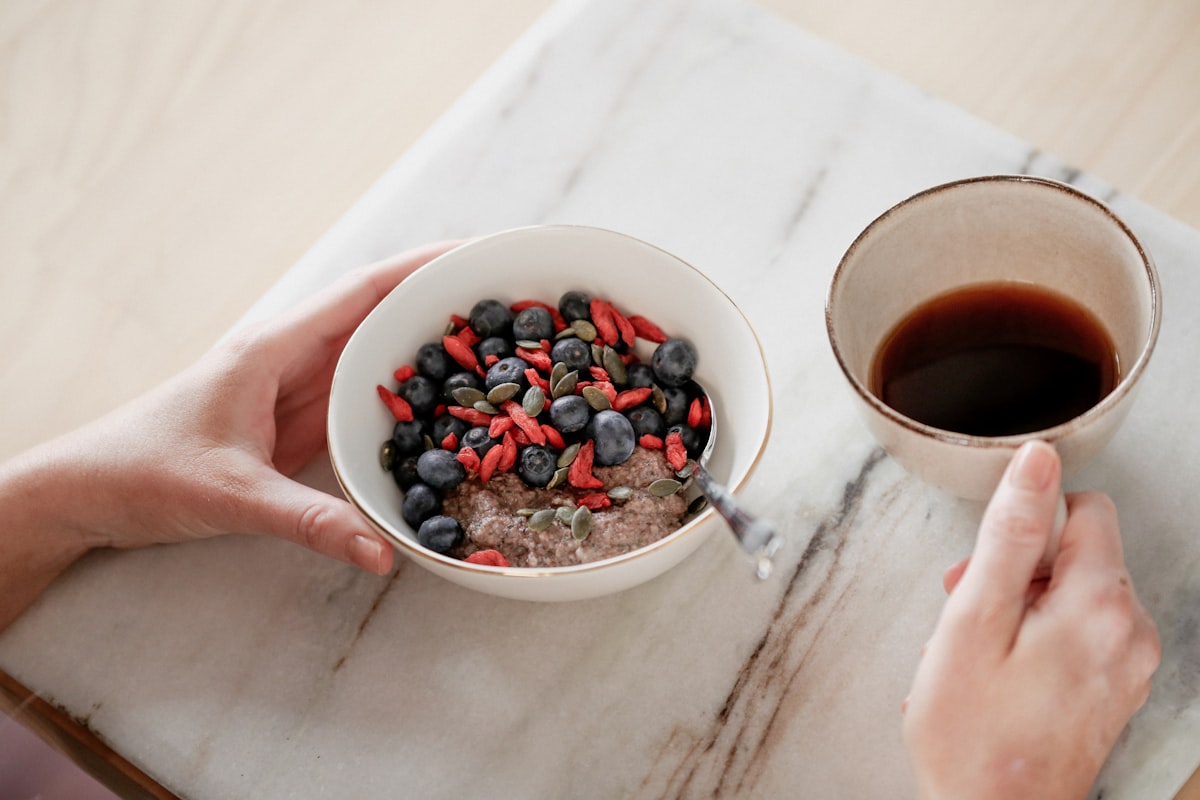
Best used: As snacks, in smoothie bowls, or paired with nuts and seeds for balanced nutrition.
Lean Proteins
Chicken, fish, turkey, and tofu provide amino acids essential for muscle maintenance and sustained energy production throughout your day.
Best used: Grilled, baked, or sautéed with vegetables; aim for 4-6 oz portions per meal.
Your Daily Energy Meal Plan
Morning Foundation
Start your day with protein and whole grains. A veggie-packed omelet with whole wheat toast and a glass of fresh juice provides lasting energy through morning activities.
Midday Sustenance
Lunch should combine lean protein, whole grains, and plenty of vegetables. This balanced approach keeps energy stable and prevents the afternoon slump.
Balanced Dinner
An evening meal should be lighter than lunch but still satisfying. Include lean protein, fiber-rich vegetables, and healthy fats for overnight recovery.
Customer Stories & Experiences
"I was constantly exhausted by 3 PM, but after reading your articles about proper meal timing and food combinations, everything changed. I now understand why I was crashing and how to fuel my body correctly. The suggestions about leafy greens and protein pairing have been very helpful."
Maria Schmidt
Berlin
"As a busy professional, I needed fast solutions without sacrificing quality nutrition. Your content on meal prepping with whole grains and legumes has saved me hours each week. The energy boost is noticeable, and I feel more focused and productive throughout my workday."
Katrin Mueller
Munich
"I love how Nutrition for Maturity explains the 'why' behind nutrition recommendations. Their articles helped me understand how different foods affect my energy levels at different times of day. I've implemented the suggestions and my stamina has improved dramatically during my gym sessions."
Sophia Weber
Hamburg
"After trying countless diets, I finally found an approach that focuses on real food and sustainable energy. Your editorial content about balanced meals and nutrient density helped me ditch the quick-fix mentality. I feel more energized and healthier than I have in years."
Anna Richter
Frankfurt
Frequently Asked Questions
The best energy foods combine protein, whole grains, and healthy fats. Leafy greens, eggs, legumes, whole grain oats, nuts, and lean proteins work together to provide sustained energy without blood sugar crashes. Our articles explore specific combinations and timing strategies tailored to women's nutritional needs.
Women have unique nutritional requirements, including higher iron needs (especially during reproductive years), increased calcium for bone health, and specific nutrient demands related to hormonal cycles. Our editorial team provides in-depth content exploring these differences and how to address them through everyday food choices.
Absolutely. While caffeine provides temporary energy, sustainable energy comes from balanced nutrition. Complex carbohydrates, quality proteins, and nutrient-dense foods deliver steady energy throughout the day. Our articles show how proper meal structure and timing can eliminate fatigue naturally and effectively.
The ideal meal structure includes lean protein (4-6 oz), whole grains (1/2 to 1 cup), and vegetables (fill half your plate). Snacks combining protein and complex carbs prevent energy dips. Our detailed guides explain portion sizes, timing strategies, and food combinations based on your daily activities.
Hydration is critical for energy production and cognitive function. Even mild dehydration causes fatigue and reduced focus. Our content covers water intake recommendations, hydrating foods, and how proper hydration supports nutrient absorption and physical performance.
Explore More About Women's Energy & Nutrition
Stay updated with our latest articles, recipes, and practical nutrition insights designed specifically for active women seeking sustained energy and optimal wellness.
Stay Connected
Subscribe to receive our latest articles on nutrition, energy-boosting foods, and wellness insights for women delivered directly to your inbox.
We respect your privacy. Unsubscribe at any time.